


Medical Device Imports to Canada: Tariff Mitigation Strategies for 2025
Mid-market medical device importers face mounting U.S. tariff pressures that ripple into Canadian supply chains. This guide examines how medtech companies can leverage CUSMA origin planning, strategic warehousing, and proactive customs compliance to control import costs and maintain competitive pricing in Canada.
Key Takeaways
- U.S. tariff volatility is driving medtech importers to reassess their North American supply chain and leverage CUSMA origin wherever feasible.
- Early classification reviews using HS 6-digit codes can unlock duty relief programs and prevent costly CBSA verification down the line.
- Consolidating inventory in Montreal sufferance warehouses defers duty liability and gives importers flexibility during tariff uncertainty.
- Partnering with a licensed broker who understands Health Canada requirements and CBSA D-memoranda cuts clearance delays and compliance risk.
Key Takeaways
- U.S. tariff volatility is driving medtech importers to reassess their North American supply chain and leverage CUSMA origin wherever feasible.
- Early classification reviews using HS 6-digit codes can unlock duty relief programs and prevent costly CBSA verification down the line.
- Consolidating inventory in Montreal sufferance warehouses defers duty liability and gives importers flexibility during tariff uncertainty.
- Partnering with a licensed broker who understands Health Canada requirements and CBSA D-memoranda cuts clearance delays and compliance risk.
How U.S. Tariff Uncertainty Spills Into Canadian Medtech Supply Chains
The past year has shown that U.S. trade policy volatility doesn’t stay south of the border. Medical device companies serving both markets are watching their landed costs swing as Washington imposes, suspends, and re-imposes tariffs on components and finished goods. For Canadian importers, these shifts force hard questions: Should you re-source components? Can you pivot to CUSMA origin claims? And how do you keep your customs compliance process nimble enough to respond when rules change overnight?
Mid-market medtech importers—those bringing in diagnostic equipment, surgical instruments, and implantable devices—are especially exposed. You’re large enough that tariff swings hit the P&L hard, but you may lack the in-house trade expertise of multinational giants. The good news: a disciplined approach to classification, origin planning, and broker partnership can turn tariff uncertainty into a competitive edge.
Step One: Lock Down HS Classification and Confirm Applicable Duty Rates
Before you can mitigate tariffs, you need to know exactly what you’re paying. Medical devices span dozens of HS 6-digit codes, each with its own duty rate, regulatory overlay, and potential for relief. A single misclassification can mean overpaying duty for years—or, worse, triggering a CBSA verification that uncovers systematic errors.
Start with a formal classification review using CBSA’s tariff finder and cross-reference Health Canada’s device licensing requirements. If you’re importing diagnostic reagents, surgical kits, or electro-medical apparatus, confirm whether they fall under Chapter 90 (optical, medical instruments) or Chapter 84/85 (machinery, electrical). Small distinctions matter: a device classified as “therapeutic appliance” may carry zero MFN duty, while a similar product classified as “electrical apparatus” might not.
For importers who need repeatable accuracy, CanFlow’s HS classification service provides binding advance rulings and documentation that withstands audit. This upfront work pays dividends when you’re claiming CUSMA origin or responding to a CBSA desk audit.
Leverage CUSMA Origin to Eliminate Duty on U.S.-Made Devices
If your medical devices are manufactured or substantially transformed in the United States, you may qualify for zero-duty treatment under the Canada–United States–Mexico Agreement. CUSMA origin is one of the most underused tools in the medtech importer’s playbook, largely because companies assume “everything from the U.S. is duty-free.” It’s not automatic.
You must:
- Obtain a valid certificate of origin (USMCA / CUSMA certificate) from your U.S. supplier
- Confirm the product meets the specific rule of origin for its HS code (often a tariff-shift or regional-value-content test)
- Declare the preferential claim on every CAD entry filed with CBSA
- Maintain origin records for six years in case of CBSA verification
If your supplier sources components from Asia or Europe, you’ll need a bill-of-materials analysis to determine whether enough North American content exists to qualify. This is where professional brokerage support becomes essential: a qualified customs broker will model the origin calculation, document the chain of custody, and file the claim correctly on every shipment.
Strategic Warehousing: Defer Duty and Hedge Against Rate Volatility
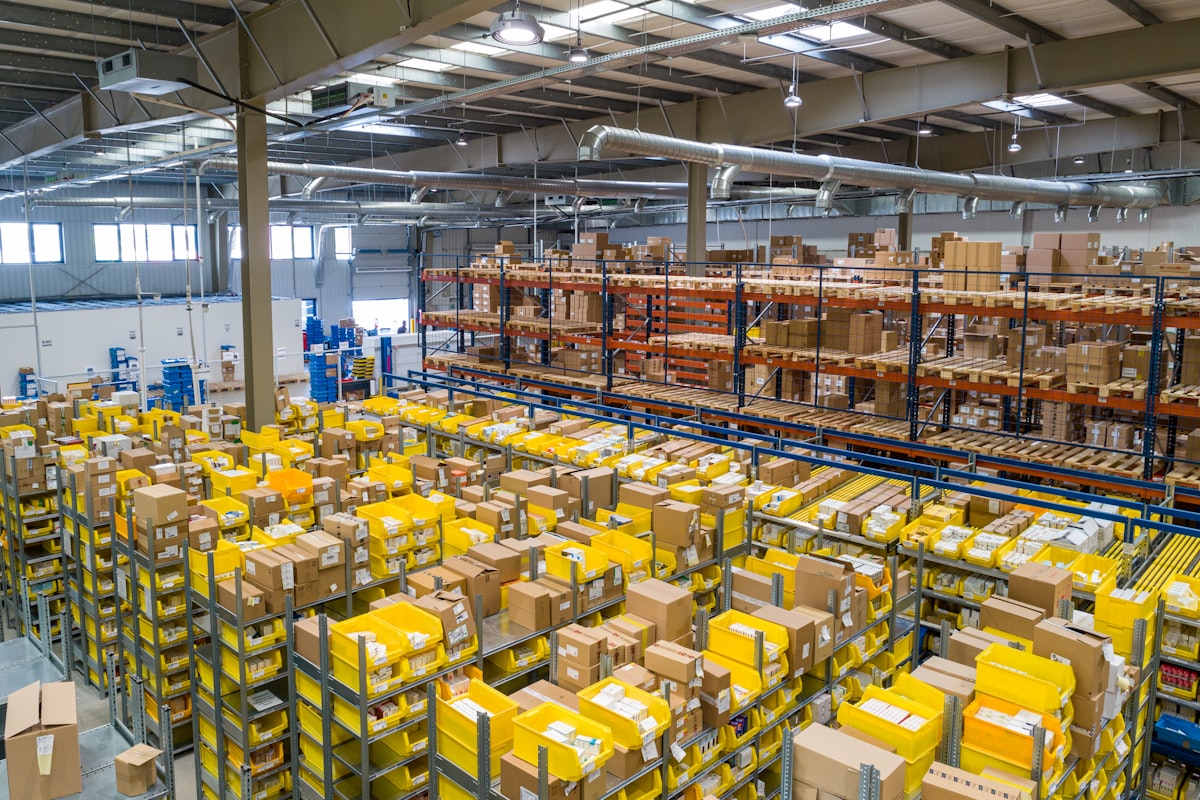
When tariff policy is in flux, paying duty at the border locks you into today’s rate. Bonded warehousing—specifically, a CBSA-licensed sufferance warehouse—lets you defer duty and GST until you withdraw goods for sale or further manufacture. For importers consolidating shipments from multiple origins or managing just-in-time distribution, this flexibility is worth its weight in landed cost savings.
Consider a Montreal-based importer bringing in diagnostic equipment from Germany (CETA origin, zero duty) and reagent kits from the U.S. (CUSMA origin, zero duty) alongside components from China (MFN duty plus potential SIMA measures). By routing all three through a Montreal sufferance warehouse, you can:
- Consolidate shipments and file a single CAD release prior to payment entry when goods leave the warehouse
- Blend duty-paid and duty-relieved inventory without immediate cash outlay
- Re-export or return defective goods without ever triggering a duty event
FENGYE LOGISTICS operates bonded and sufferance facilities in Montreal that integrate directly with CanFlow’s electronic filing systems, so release, PARS reporting, and payment happen seamlessly. If you’re managing a complex product mix or expect regulatory holds, this setup keeps goods flowing without tying up working capital.
Navigate Health Canada and CBSA in Parallel
Medical device imports to Canada require clearance on two fronts: CBSA (for customs and duty) and Health Canada (for regulatory compliance). A device may be “released” by CBSA but held at the border because it lacks a valid Medical Device Licence (MDL) or Import Licence. Conversely, a compliant device can sit in CBSA examination if the importer’s CARM Client Portal bond is insufficient or the CAD filing contains errors.
Successful importers treat these as parallel workstreams:
- CBSA clearance: Confirm your importer of record is enrolled in the CARM Client Portal, your RPP bond is adequate for monthly duty liability, and your broker is authorized to file on your behalf.
- Health Canada clearance: Ensure every device has an MDL or establishment licence on file, and that your broker declares the correct product codes (DIN, licence number) on the CBSA entry.
D-memoranda—particularly D19-1-1 (Radioactive Substances), D19-13-1 (Medical Devices), and D17-1-10 (Casual Goods)—provide the roadmap. If you’re importing controlled narcotics for diagnostic use or radioactive sources for imaging equipment, review the relevant D-memo with your broker before the first shipment. Surprises at the border are expensive.
Tariff Engineering: When to Consider Manufacturing Adjustments
If your landed duty burden remains high even after CUSMA and CETA claims, it may be time to revisit your manufacturing footprint. Some medtech companies are shifting final assembly to Canada or Mexico to create CUSMA origin where none existed. Others are re-sourcing components from EU suppliers to take advantage of CETA origin (zero duty on most medical devices under Chapter 90).
This isn’t a decision to make lightly, but when tariffs exceed 5–10% of product cost and volumes are substantial, the ROI on supply-chain redesign can be compelling. Your customs broker should model the duty impact of different sourcing scenarios and provide a clear breakeven analysis. CanFlow’s duty advisory service includes origin planning, cost modeling, and liaison with CBSA rulings officers when you need binding guidance.
Build a Compliance Cadre That Can Pivot Fast
The medtech importers who weathered the last year’s tariff chaos share one trait: they didn’t wait for policy to settle before acting. They audited classifications, secured CUSMA certificates, moved inventory into bonded facilities, and ensured their CARM setup was bulletproof.
That requires a customs partner who understands both the technical (HS codes, origin rules, AMPS reporting) and the practical (how to get a device released when Health Canada’s system is down, how to handle a SIMA investigation on Chinese-origin components). Professional freight forwarding and brokerage isn’t a cost center in this environment—it’s a risk-management asset.
Ready to Lock Down Your Medtech Import Strategy?
If tariff volatility is squeezing your margins or you’re unsure whether your current CUSMA and CETA claims will survive a CBSA audit, let’s talk. CanFlow’s broker team specializes in medical device imports, from pre-shipment classification to post-clearance compliance audits. Contact us to schedule a no-obligation supply-chain review and see where you can cut duty, speed clearance, and eliminate surprises at the border.
Frequently Asked Questions
Do medical devices qualify for duty-free treatment under CUSMA when imported from the U.S.?
Many medical devices qualify for zero-duty CUSMA origin if they meet the rule of origin for their HS classification. Importers must maintain certificates of origin and supply-chain documentation to support preferential claims on their CAD entry. CBSA routinely verifies CUSMA claims, so origin recordkeeping is critical.
How do CARM changes affect medical device importers in 2025?
Under the CBSA Assessment and Revenue Management system, importers must post financial security (RPP bond) through the CARM Client Portal and file release prior to payment entries electronically. Medical device companies should work with their customs broker to set up portal access, confirm bond adequacy, and ensure compliance with the new payment timelines. Non-compliance can trigger release holds and penalty interest.
Can I store imported medical devices in a bonded warehouse to defer duty?
Yes. Sufferance warehouses let you defer duty and GST until goods are withdrawn for domestic sale. This is particularly useful when tariff rates are volatile or when you’re consolidating shipments for distribution across Canada. Ensure your warehouse partner holds the appropriate CBSA licence and integrates with your broker’s PARS or AMPS reporting system.
Source: Supply Chain Dive
Frequently Asked Questions
Do medical devices qualify for duty-free treatment under CUSMA when imported from the U.S.?
Many medical devices qualify for zero-duty CUSMA origin if they meet the rule of origin for their HS classification. Importers must maintain certificates of origin and supply-chain documentation to support preferential claims on their CAD entry. CBSA routinely verifies CUSMA claims, so origin recordkeeping is critical.
How do CARM changes affect medical device importers in 2025?
Under the CBSA Assessment and Revenue Management system, importers must post financial security (RPP bond) through the CARM Client Portal and file release prior to payment entries electronically. Medical device companies should work with their customs broker to set up portal access, confirm bond adequacy, and ensure compliance with the new payment timelines. Non-compliance can trigger release holds and penalty interest.
Can I store imported medical devices in a bonded warehouse to defer duty?
Yes. Sufferance warehouses let you defer duty and GST until goods are withdrawn for domestic sale. This is particularly useful when tariff rates are volatile or when you're consolidating shipments for distribution across Canada. Ensure your warehouse partner holds the appropriate CBSA licence and integrates with your broker's PARS or AMPS reporting system.